Describe the pallet as it will travel
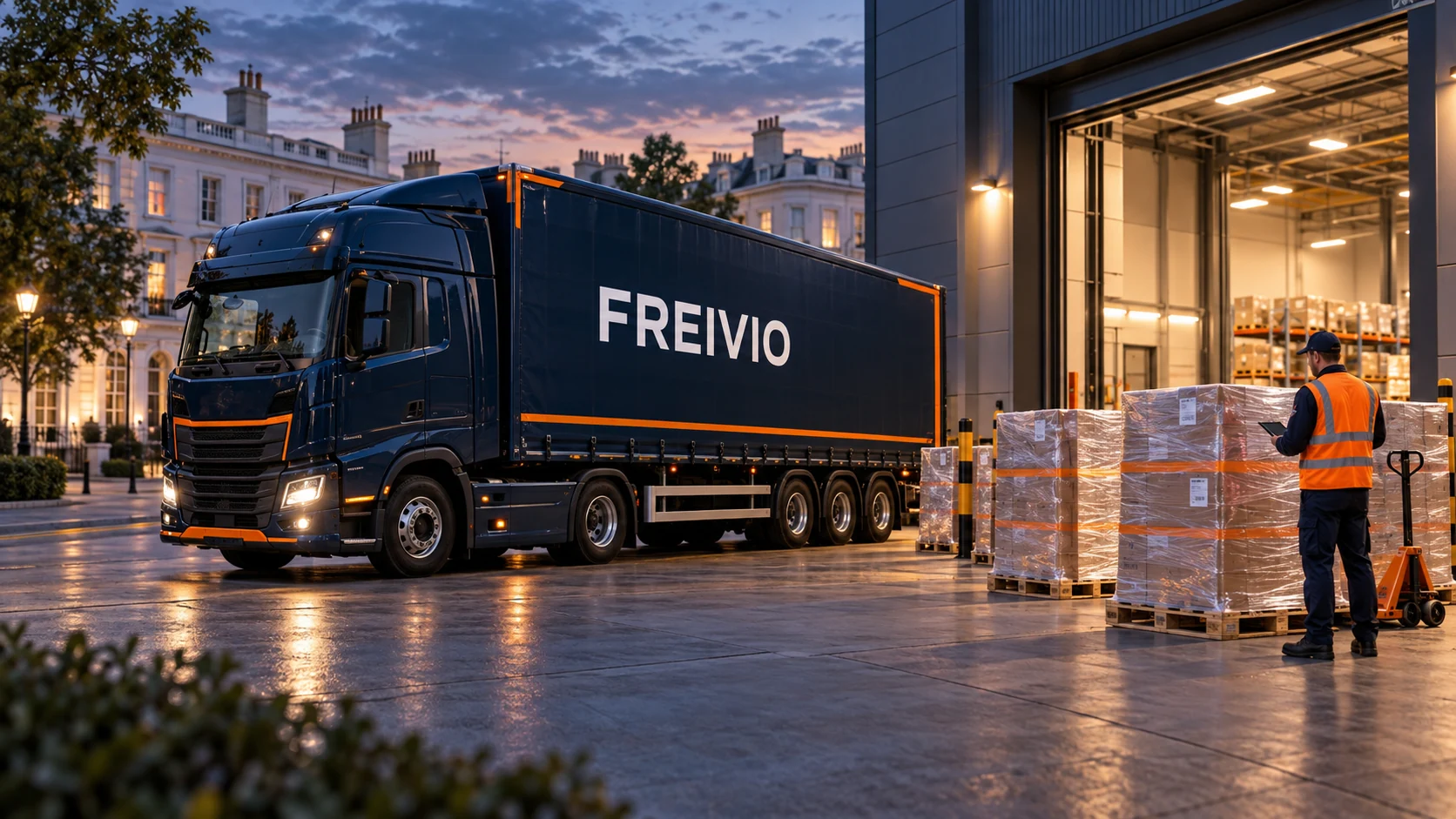
Measure the complete loaded pallet, including the base, wrapping and anything extending beyond its edges. Give length, width and height in centimetres and the gross weight in kilograms. For pallets with different sizes, add a separate line for each size.
Tell us what is inside, whether anything is fragile, whether the load is secure and if another pallet can safely go above it. A description such as “one pallet” is not enough to choose a vehicle or handling method.
Check the Cheltenham unloading surface
For palletised goods going to a Cheltenham home or premises without a loading bay, describe the route from vehicle to the agreed handover point. Steps, gravel, a steep slope or a narrow gate may prevent the proposed handling method. A tail lift is equipment on the vehicle, not a promise that goods can be moved indoors.
Send gross weight and packed dimensions, including the pallet. Identify equipment and suitably trained people at each address so the vehicle and unloading method can be assessed before booking.
Collection and delivery need separate plans
A forklift at the collection warehouse does not solve unloading at a home address. Tell us about equipment at both ends and request a tail lift where needed. Equipment capacity and suitability must be confirmed for the actual load.
Do not assume pallet delivery includes carrying items indoors, upstairs or across gravel. Describe the surface, gradients and doorway access; agree the handover point before booking.
Your Cheltenham enquiry checklist
- For pallet delivery, have these details ready: packed pallet dimensions; gross weight including pallet; loading at both addresses.
- Give both full postcodes and identify the exact entrance and receiving point. GL50 is a location reference, not the whole service area.
- Explain any unresolved permission, timing or handling question before accepting a quote.
- Check the quote’s supplier, price, inclusions and booking terms before confirming.